
Therapy approaches
Humanistic therapy: being met as a whole person
What humanistic therapy is, where it comes from, and what it might feel like to work in this way.
By Natasha Mackey · 4 min read

When people ask me how I work, I often find myself talking about the humanistic tradition. It sits at the heart of my training and shapes much of what happens in the therapy room, even when we are not naming it. I wanted to write a little about what it means, where it comes from, and what it might feel like if you choose to work with me.
Where it comes from
Humanistic therapy emerged in the middle of the twentieth century, at a time when psychology was largely divided between psychoanalysis, with its focus on the unconscious, and behaviourism, which concentrated on what could be observed and measured. Psychologists such as Carl Rogers and Abraham Maslow wanted to offer something different: an approach that saw each person as a whole human being, with their own feelings, values and capacity for growth, rather than as a set of symptoms to be fixed.
It became known as the “third force” in psychology, and it has since grown into a family of approaches that includes person-centred therapy, Gestalt, existential therapy and transactional analysis.
You are the expert on your own experience
One of the central ideas in humanistic work is that you are the person who knows your own life best. My role is not to diagnose you, tell you what you should feel or hand you a set of answers. It is to offer a space where you can hear yourself more clearly, notice what matters to you and begin to trust your own sense of what you need.
Carl Rogers believed that, given the right conditions, people have a natural tendency to move towards growth and wholeness, much as a plant will turn towards the light. Therapy, in this view, is less about repairing something that is broken and more about creating the conditions in which that tendency can return.
The relationship at the heart of it
Rogers described three qualities that he believed made this kind of growth possible. The first is empathy: a sincere effort on my part to understand your experience as you live it, not as I might imagine it. The second is unconditional positive regard, which means offering warmth and acceptance without judgement, including towards the parts of yourself you may find hardest to like. The third is congruence, or being real. Rather than hiding behind a professional role, I will be present as myself and open with you about what I notice, always with care.
Many of us carry a quiet sense that we are only acceptable when we are coping, achieving or keeping others happy. Being met with acceptance, just as you are, can feel unfamiliar at first. Over time it can soften some of the harsher ways we speak to ourselves and make room for a kinder, more curious relationship with who we are.
Staying with the here and now
Humanistic therapy pays close attention to what is happening in the present moment: what you feel as you speak, what you notice in your body, what shifts when something important is said. We may well talk about your past, and often we will, but the emphasis is on how those experiences live in you now and how they shape the way you meet the world today.
Sometimes this means slowing down. A feeling that usually gets pushed aside can be given a little more space. A sentence that comes out quickly can be returned to. In a busy life that often rewards us for keeping going, simply pausing to notice what is there can be meaningful in itself.
How this fits with the way I work
I work integratively, which means I draw on more than one tradition depending on what feels most helpful for you. Humanistic ideas sit alongside psychodynamic thinking in my practice, and the two complement each other well. One attends closely to your experience in the present and your capacity for growth; the other helps us understand how the past may still be shaping the present.
Whatever we draw on, the humanistic principle underneath remains the same. You set the pace, you decide what you want to bring, and the relationship between us is a place where you can be all of yourself.
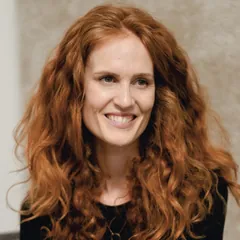
Natasha Mackey is a BACP registered integrative therapist working in person in London and online via Zoom. About Natasha