
Therapy approaches
Psychodynamic therapy: how the past lives in the present
Why our earliest relationships matter, what lies beneath the surface, and how exploring it gently can lead to lasting change.
By Natasha Mackey · 4 min read

The word “psychodynamic” can sound a little intimidating. For many people it brings to mind a couch, a silent analyst and years of talking about childhood. The reality today is quite different, and I wanted to share a little about what psychodynamic thinking is, why it matters to me and how it can help.
Where it comes from
Psychodynamic therapy has its roots in the work of Sigmund Freud, but it has grown and changed a great deal over the past century. Thinkers such as Melanie Klein, Donald Winnicott and John Bowlby, whose work on attachment continues to shape how we understand relationships, took these ideas in new directions, many of them here in London. Part of my own training took place at the Tavistock, which has a long history in this tradition, and it continues to inform how I think about the people I work with.
The past in the present
At the heart of psychodynamic thinking is the idea that our early experiences, particularly our earliest relationships, shape the way we see ourselves and others. As children we learn, often without words, what we can expect from the people around us: whether our feelings will be welcomed, whether we need to be good to be loved, whether it is safe to depend on someone.
These early lessons can stay with us long after they have stopped being useful. They may show up as patterns we recognise but cannot seem to change: being drawn to the same kind of relationship, finding it hard to ask for help, or feeling a familiar anxiety whenever someone gets close. Psychodynamic therapy offers a way of gently exploring where these patterns come from, so that they can begin to lose some of their hold.
What lies beneath the surface
Psychodynamic therapy also recognises that not everything that drives us is fully within our awareness. We all have ways of protecting ourselves from feelings that are painful or overwhelming, often without realising we are doing it. We might keep busy, make light of things, or become very focused on other people’s needs.
These ways of coping usually made good sense at the time they developed, and they deserve to be understood rather than judged. Approaching them with curiosity can help us see ourselves more fully and give us more choice about how we respond.
The relationship as a window
Something particular to psychodynamic work is the attention we give to the relationship between us. The feelings and expectations we carry from other relationships can sometimes find their way into the therapy room. You might notice that you worry about disappointing me, or find yourself holding back in a way that feels familiar.
Rather than something to be avoided, these moments can offer a valuable window into patterns that are hard to see elsewhere, and we can explore them together in a relationship where it is safe to do so. This is one of the reasons regular check-ins about how you are experiencing our work matter so much to me. How we are together is part of the work itself.
What it is like in practice
Psychodynamic therapy today usually takes place face to face in chairs, or online, rather than on a couch. Sessions tend to happen at a regular time each week, and that consistency is part of what makes the space feel reliable. There is no set agenda. I will invite you to bring whatever is on your mind, and together we will notice the themes, feelings and connections that emerge over time.
It can be a slower way of working than some approaches, and that is often part of its value. Rather than focusing only on easing symptoms, it aims for deeper and more lasting change in how you relate to yourself and to others.
Bringing it together
In my practice, psychodynamic ideas sit alongside the humanistic tradition. Where the humanistic approach helps us stay close to your experience in the present, psychodynamic thinking helps us understand how the past may still be shaping it. Together they allow us to work with both, at a pace that feels right for you.
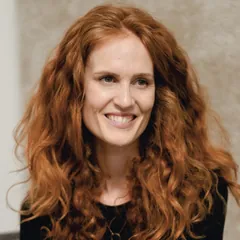
Natasha Mackey is a BACP registered integrative therapist working in person in London and online via Zoom. About Natasha